FIFA Panini Collection
- 4.1
- Rating
- 10.00M
- Installs
- Free
- Price

 Analysis by App-foxy
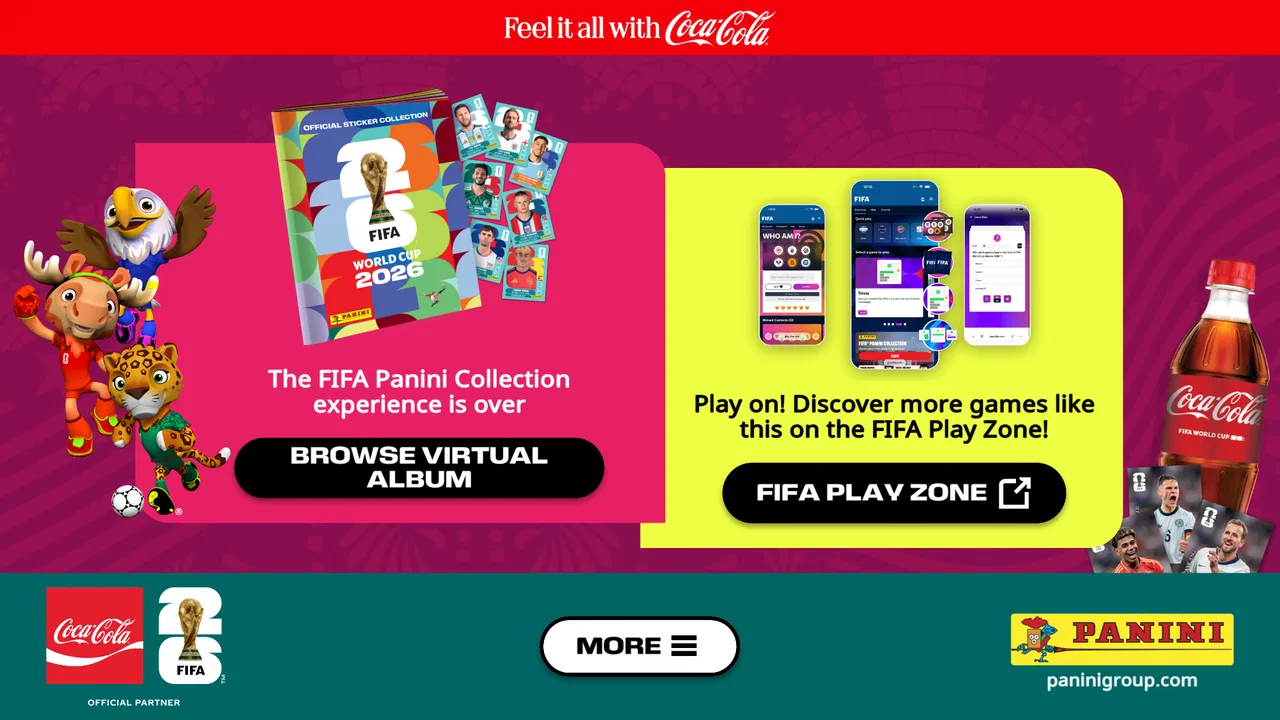
I approached FIFA Panini Collection as a sports game for people who enjoy the collecting side of football as much as the matches themselves. Its identity is clear from the first moment: this is a Panini collection experience connected with FIFA and Coca-Cola, rather than a conventional football simulator built around controlling players on a pitch. That distinction matters, because the appeal comes from building, checking and enjoying a collection, not from replacing a full match-day game.
In my experience, that makes it an easy game to understand but a more specialized one to recommend. If you like the ritual of opening packs, checking which items you have and working toward a fuller album, the concept is naturally attractive. If you want detailed tactics, realistic controls or long competitive matches, you may find the experience too narrow. The game is free to start, suitable for Everyone, and developed by Panini S.p.A., so it is aimed at a broad audience rather than only serious football gamers.
How the collection feels in everyday use
The most enjoyable way to use the game is in short sessions. I can imagine opening it while waiting for a bus, taking a quick look during a break, or checking progress after watching football. It suits that rhythm better than a game that demands a quiet hour and constant concentration. The collection format gives each visit a small purpose: inspect what is new, see what still needs attention, and decide whether it is worth continuing at that moment.
You May Also Like

 AccuWeather: Weather Radar
AccuWeather Review: A Quick, Clear Forecast for Everyday Decisions
For everyday plans, the best forecast is the one you can understand quickly. AccuWeather makes rain timing, radar, and local conditions easy to act on, with a few trade-offs.

 Hill Climb Racing
Why Hill Climb Racing Still Turns Crashes Into One More Run
A tiny car, a bumpy hill and one more upgrade: Hill Climb Racing keeps resurfacing because its simple chaos makes every near-miss feel personal.

 AliExpress - Shopping App
AliExpress Makes Global Shopping Feel Personal, but Shoppers Bear the Risk
AliExpress turns a global marketplace into a pocket-sized discovery engine. Its reach is useful, its shopping loop compelling, and its trade-offs easy to miss.

 Lords Mobile: Kingdom Wars
Lords Mobile Is a Kingdom-Building Routine, Not a Quick Match
A case-by-case verdict on the building, battles, device demands, and social commitments that make Lords Mobile rewarding for some players and exhausting for others.

 PDF Scanner app - TapScanner
TapScanner Makes Paperwork Easier to Capture, Check, and Share
TapScanner makes scanning with a phone feel less like a rescue operation and more like a dependable step in getting work done. Its capture tools are useful, though not flawless.

 Block Blast!
 Shows How Much a Puzzle Game Can Leave Out
A quiet grid game shows why puzzle players increasingly value instant clarity, repeatable skill and low-pressure play—and where the genre still needs to catch up.
More From Our News Desk
View All News


That short-session design is also the first important trade-off. A traditional football game gives me a clear activity every time I start it: play a match, train a team or compete against another player. Here, the satisfaction is more gradual. The reward is connected to completing and organizing a collection, so the experience depends heavily on whether that loop is personally motivating. I would recommend it to a football fan who enjoys memorabilia and discovery, but not automatically to someone who only wants action.
The store summary presents it as a FIFA Panini collection by Coca-Cola, and that framing sets the right expectation. I would think of it as a digital collecting companion with a sports theme, not as a replacement for a console-style football title. That helps avoid disappointment. The game can be a pleasant side activity alongside watching tournaments or following favorite teams, especially when I want something light rather than another demanding competitive game.
Speed expectations and the right session length
The current release is version 1.0.0, and it requires Android 7.0 or later. Those details suggest a relatively broad Android audience, although the actual feel will still depend on the phone or tablet being used. On a reasonably modern device, I would expect the basic collection workflow to feel more comfortable than a graphically intensive match simulation, because the central idea is browsing and managing collectible content rather than rendering a full stadium and active teams.
That does not mean every screen will feel equally quick on every device. Collection games often ask the player to move between several views, inspect individual items and return to an album or progress screen. If the app needs to refresh content during those transitions, a slower connection or an older phone could make the experience feel less immediate. I would therefore judge its speed by how quickly I can complete a small task, not by comparing it with an arcade football game.
My practical advice is to start with a short session rather than opening it expecting a long play period. Check how quickly the collection loads, how smoothly the interface responds and whether your device remains comfortable after several minutes. This is a useful first test because it reveals more about suitability than the minimum Android requirement alone. A phone that technically supports the game may still be less pleasant if storage is tight, background apps are competing for memory or the operating system is under strain.
There is also a psychological advantage to short visits. When I treat the game as a quick collecting habit, small delays are less irritating than they would be during a competitive match. A pause while moving through a collection is inconvenient; a pause during a crucial football play can ruin the entire moment. That difference is one reason I see this title as more forgiving than a conventional sports game, even though a busy interface can still become tiring during repeated browsing.
What happens during heavier use
The heavier moments are likely to come from repeated collection activity rather than from controlling a long match. Opening several items, moving through different sections and checking progress in one sitting can make the app feel busier than a single quick visit. I would pay attention to whether the phone warms up, whether transitions remain responsive and whether returning to the app after a pause restores the same place without unnecessary repetition.
For a collector, the temptation is to keep going once a session becomes rewarding. That is where the game’s free-to-start structure deserves careful attention. In-app purchases are listed at $2.00 per item, so the cost can become meaningful if I repeatedly buy items instead of treating purchases as occasional extras. I would set a personal limit before spending, particularly if the collecting loop is designed to encourage “just one more” decision. The free entry point is useful, but it should not be confused with unlimited collecting at no cost.
A sensible workflow is to review what I already have before making any purchase. That sounds obvious, but it prevents duplicate or unnecessary decisions and keeps the album itself as the focus. I would also avoid buying in a rush immediately after opening something exciting. Waiting a few minutes and checking the collection calmly makes it easier to decide whether the item genuinely improves progress or simply feels appealing in the moment.
This is one of the more useful ways to approach the game: separate enjoyment from completion pressure. I can enjoy discovering items without treating a completely filled collection as the only successful outcome. That mindset makes the experience more relaxed and helps keep the paid element under control. It also makes the game more suitable for younger players when an adult is available to guide spending choices, even though the content rating is Everyone.
Another practical tip is to use a stable connection when I plan to spend more time with the collection. I would not begin an extended session in an area where connectivity is unreliable, because any refresh or loading interruption can break the rhythm. For a quick check, that may not matter much. For a longer collecting session, it can make the difference between a smooth visit and repeated waiting.
Reliability, interruptions and recovery
Reliability matters differently here than it does in a multiplayer football game. If another player is not depending on my connection at that exact moment, a brief interruption is less damaging. Even so, losing track of where I was, having to repeat a step or waiting for content to reload can make collection management unnecessarily frustrating. I would judge the app positively when it lets me return to the same album area and continue without confusion.
My preferred recovery routine would be simple: pause after a connection problem, reopen the game only if the screen does not recover, and check the collection before attempting any purchase or repeated action. That last step is important. If a transaction or pack-opening sequence appears interrupted, I would verify the visible collection state first rather than tapping repeatedly. It is a small habit, but it reduces accidental duplicate actions and gives the app time to finish processing.
Because this is version 1.0.0, I would also keep expectations realistic about polish. A first release can be perfectly usable while still having rough edges in navigation or recovery. I would not treat a minor delay as a reason to dismiss the whole concept, but I would notice whether the same problem happens repeatedly. Occasional friction is manageable in a casual collection game; frequent resets, unclear progress or unreliable returns would be much more serious because they attack the core reason to keep collecting.
The game’s popularity gives it some useful context. It has passed ten million installs and holds an average rating of 3.8 from roughly sixteen thousand ratings, with seventy-three written reviews shown alongside that audience. I read that as evidence of substantial interest, but not as a guarantee that every player will have the same experience. A broad install base can include collectors, football fans, younger users and people who only tried it briefly, so I would use the rating as a general signal rather than a final verdict.
For recovery after closing the app, I would expect the most important question to be whether my collection position is preserved. That is more valuable than remembering a temporary screen or animation. If I can reopen the game and quickly see what I own, what I still need and what I was doing, the app remains easy to live with. If I have to reconstruct my last actions, the collecting loop loses much of its convenience.
Device constraints and who should be careful
The Android 7.0 minimum makes the game accessible to many older devices, but compatibility is not the same as comfort. A phone with limited free storage, modest memory or an aging battery may handle the installation while still struggling during longer sessions. I would close unnecessary apps before using it on an older device and avoid judging performance while the phone is already running several demanding tasks.
Battery behavior is especially relevant for people who use the game repeatedly throughout the day. A collection app should fit naturally into small gaps, so I would not want it to become a background drain that forces frequent charging. If the phone warms noticeably during browsing, I would shorten sessions and avoid using it while the device is already hot. These are ordinary precautions, but they help distinguish a genuinely comfortable experience from one that is merely technically compatible.
Screen size can affect enjoyment too. On a larger phone or tablet, browsing collectible items and comparing sections should feel less cramped. On a smaller display, the same activity may require more careful tapping and scrolling. That does not make the game unusable, but it changes how relaxing the collection feels. I would favor a larger screen for family use or for showing the collection to someone else, while a small phone is perfectly suited to quick private checks.
Parents should pay attention to the free-to-play structure even though the age rating is Everyone. The content may be appropriate for a broad audience, but purchases still require sensible boundaries. I would use the game as a chance to explain that virtual collecting can be enjoyable without needing every available item. If a child is likely to feel pressured to complete the collection quickly, a different non-purchase-focused game may be a better choice.
On the other hand, adult collectors may appreciate the convenience of having a football-themed collection in digital form. It does not replace the tactile feeling of physical stickers, and I would not choose it if the main attraction is handling an album or trading with friends face to face. Its strength is accessibility: I can check it without carrying a physical collection and return to it whenever I have a spare moment.
Where it beats ordinary football alternatives
Compared with a full football simulation, this game is less demanding and easier to pick up. I do not need to learn complex controls, memorize tactics or commit to a complete match. That makes it a better fit for someone who wants football flavor without the pressure of performance. It is also more appropriate for a quick break, while a match-based game can feel awkward when I know I may need to stop at any moment.
Compared with a general card-collecting game, its football identity gives the collection a stronger emotional anchor for fans of FIFA and Panini. The items are not just abstract rewards in a random theme; the entire reason to return is connected to a familiar sports culture. That focus is a strength when it matches my interests, but it is also the main limitation. Someone who does not care about football memorabilia will probably find the collecting loop less compelling than a broader strategy or card game.
Compared with buying physical stickers, the digital format is cleaner and more convenient, but it lacks the physical ritual. I cannot flip through paper pages, feel the packets or display an album on a shelf. I also cannot assume that digital progress will provide the same social experience as swapping duplicates with friends. I would choose this game for convenience and frequent access, while choosing physical Panini products for tangible collecting and offline interaction.
The paid-item model is another point of comparison. A premium game with one upfront price may be easier for some families to understand because the spending decision happens once. Here, the free entry is more inviting, but the $2.00 per-item purchases can encourage repeated small payments. I prefer this game when I can enjoy it without chasing every item. If I know I will feel dissatisfied until the collection is complete, a fixed-price alternative may offer better control.
Who will enjoy it, and who should skip it
I think it is a good match for football fans who enjoy collecting, checking progress and returning for short sessions. It also suits someone who wants a low-pressure sports game that can sit alongside watching football rather than compete with it. Families may find the theme approachable, provided spending is supervised and expectations about completion are kept realistic.
I would be more cautious recommending it to players who need constant action. If your ideal sports game involves dribbling, passing, shooting and improving through skill, this is not the right substitute for a football simulator. Likewise, competitive players who want rankings, live matches or deep team management should look elsewhere. The collection is the center of attention, and no amount of football branding changes that.
I would also skip it if I dislike duplicate-driven collecting or if I find digital purchases difficult to resist. The free download makes trying it easy, but the best experience depends on being comfortable with gradual progress. I would rather stop after a short session feeling satisfied with a small discovery than continue spending simply to remove every incomplete section.
My performance verdict
After considering how I would use it, I see FIFA Panini Collection as a focused sports collecting game rather than a broad football package. Its likely strengths are its approachable format, short-session convenience and clear appeal to Panini and FIFA fans. The Android 7.0 requirement also gives it a wide starting point, although older hardware may still affect comfort, loading and battery behavior.
The main limitations are equally clear. The collecting loop will not satisfy players looking for match gameplay, and the $2.00 price attached to each in-app purchase means that enthusiasm needs a budget. Reliability should be judged by how well the app preserves progress and recovers from interruptions, while performance should be judged on the device actually being used rather than on compatibility alone.
My recommendation is to try it as a casual companion, begin without spending, and see whether the act of building the collection is enjoyable on its own. Give it a few short sessions, use a stable connection for longer visits, and check progress before making any purchase. The best reason to install it is the pleasure of collecting, not the promise of a complete football game. For the right fan, that focused purpose is enough to make it worthwhile; for everyone else, a conventional football title or a fixed-price collecting game will probably be a better fit.
FAQs for FIFA Panini Collection
01What is the FIFA Panini Collection app?
The FIFA Panini Collection app is a digital platform that allows users to collect and trade virtual stickers of their favorite football players and teams. Based on the popular physical sticker albums, the app offers a convenient and interactive way for fans to complete their collections and engage with the global football community.
02How does trading work in the FIFA Panini Collection app?
Trading in the FIFA Panini Collection app is simple and user-friendly. Users can propose trades by selecting the stickers they wish to exchange with others in the community. The app provides a secure platform to facilitate these trades, ensuring users can complete their sticker albums efficiently while interacting with fellow collectors.
03Is the FIFA Panini Collection app free to use?
The FIFA Panini Collection app is free to download and use, providing users with a starter pack of stickers upon registration. However, additional sticker packs can be purchased within the app through in-app purchases. Users can also earn packs by completing daily challenges and participating in special events.
04Can I access my FIFA Panini Collection on multiple devices?
Yes, the FIFA Panini Collection app allows users to access their accounts on multiple devices. By signing in with the same credentials, users can seamlessly sync their collections and trades across different platforms, ensuring they don’t miss any updates or trades regardless of the device they are using.
05What are the system requirements for the FIFA Panini Collection app?
The FIFA Panini Collection app requires a device running Android 5.0 or iOS 12.0 and above. It is recommended to have a stable internet connection for optimal performance, especially during trades and while accessing new sticker packs. Ensure your device has sufficient storage space to accommodate the app's updates and data.
Pros
- Interactive and engaging sticker collection.
- User-friendly interface with smooth navigation.
- Regular updates with new events and challenges.
- Social features for trading stickers with friends.
- Offline mode available to manage collections.
Cons
- Requires internet for some features.
- Ads can be intrusive during gameplay.
- Limited free stickers without in-app purchases.
- Occasional crashes on older devices.
- Some features locked behind paywalls.

FIFA Panini Collection
Gallery